
How Our Ceremonial Cacao Is Made: From Talamanca to Your Cup

Updated: Sep 9


Every block of Cacao Magic begins on a mountainside in Talamanca and ends in a cup somewhere in the world. This is the whole journey, told plainly, because we think you should know exactly what you are drinking and whose hands carried it to you.
It starts earlier with a short story...
The surprise chocolate
Our first batch was made in a friend's factory, far from home. We travelled there with fifty kilos of cacao beans and a plan to create raw cacao for chocolate making. We made our first bars of pure cacao, and when we were offered the chance to fold in dehydrated fruit, we said yes without knowing what we were making. We called it surprise chocolate.
Driving back home, we ate a lot of it. Maybe a hundred grams between us, the way you eat something you made yourself and cannot quite believe exists.
And something opened.
We did not expect it. A sensation of elevation, of pure love, of enthusiasm, of appreciation for everything the road was passing.
Resonance.
That was the moment we understood we had connected with something we did not yet recognise — and that we had to share it with as many people as we could. Everything since has been that drive home, continued.
Where the cacao grows
Talamanca, on the South Caribbean coast of Costa Rica. Steep green mountains, heavy rain, and cacao growing the way it has grown here for centuries — under shade, among other trees, on land farmed by Bribri families and on the farm of our partner Elena Gaitán.
We lived in this region for six years, three of them inside a traditional conical Bribri house. The relationship came first and the business came a long way after.
Fermented and sun-dried in Bananito
Elena Gaitán drives the region collecting cacao from the families who grow it, and brings it back to Bananito. This is where flavour is actually made.
The wet beans ferment in her greenhouse for several days. Fermentation is the magic that turns a cacao seed into something with depth and character .
Then the beans are spread out and sun-dried for about a week, turned by hand, watched against the rain.

Ground by a cooperative of Bribri women
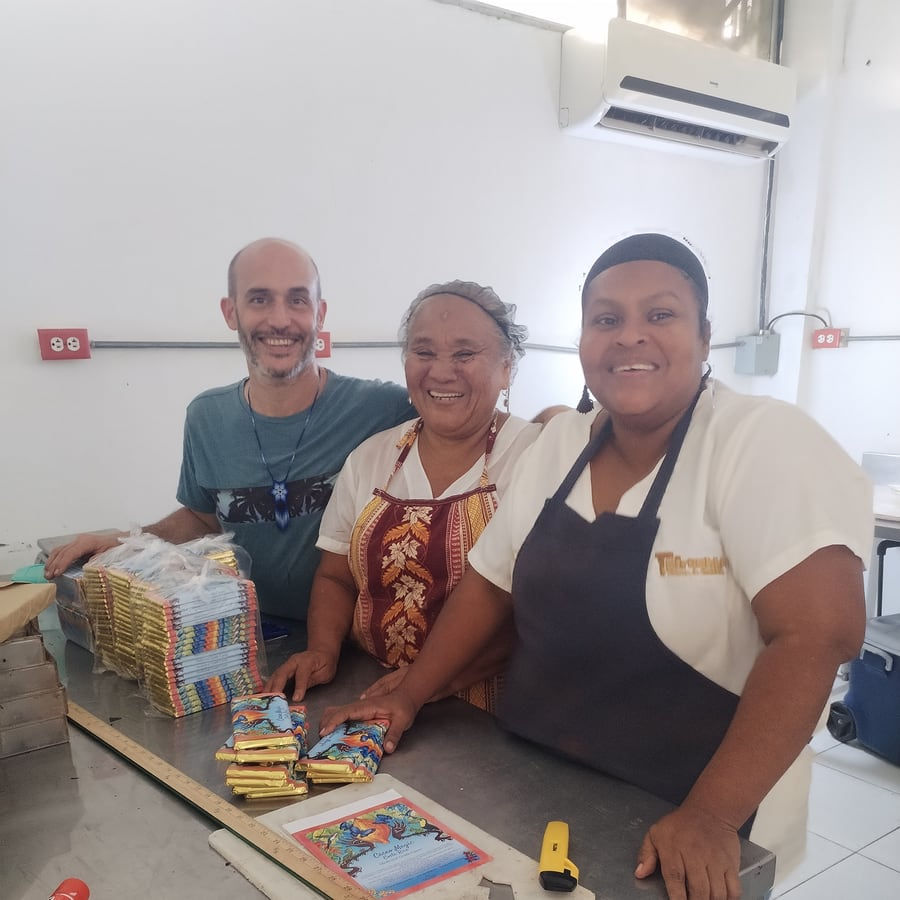
From Bananito the dried beans go up into the mountains, to a cooperative of a 100 Bribri women who turn them into pure cacao.
Their craft, carried through generations, and the blocks that arrive in your kitchen are their work.
Why we never roast it
Almost all chocolate in the world is made from roasted beans. Roasting makes cacao easier to work with, more uniform, and much easier to produce at scale.
We do not roast. Our beans are fermented, dried, and ground — and never taken up to roasting heat. It is the single decision that most defines what we make.
Raw cacao tastes different for it: deeper, fruitier, closer to the forest it came from,
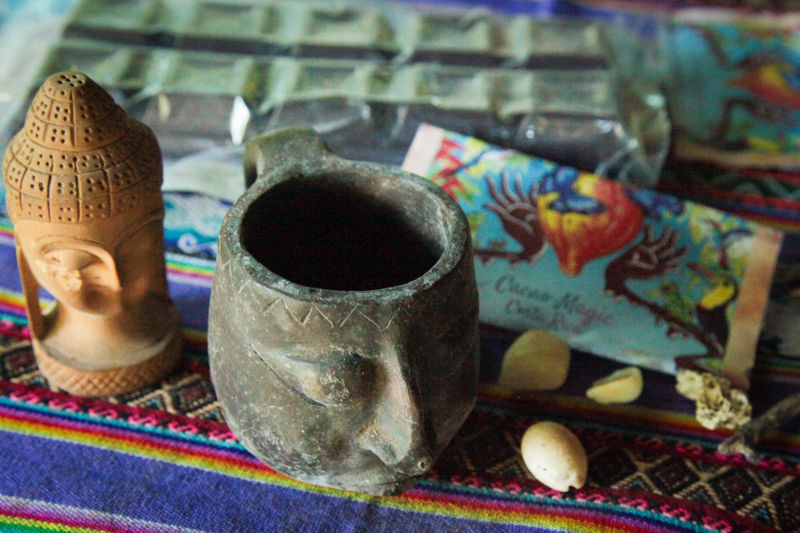
much more alive and tasty . It is also what people mean when they say ceremonial cacao — cacao still carrying its living character, prepared to be drunk rather than eaten as a sweet.
And then it comes to you
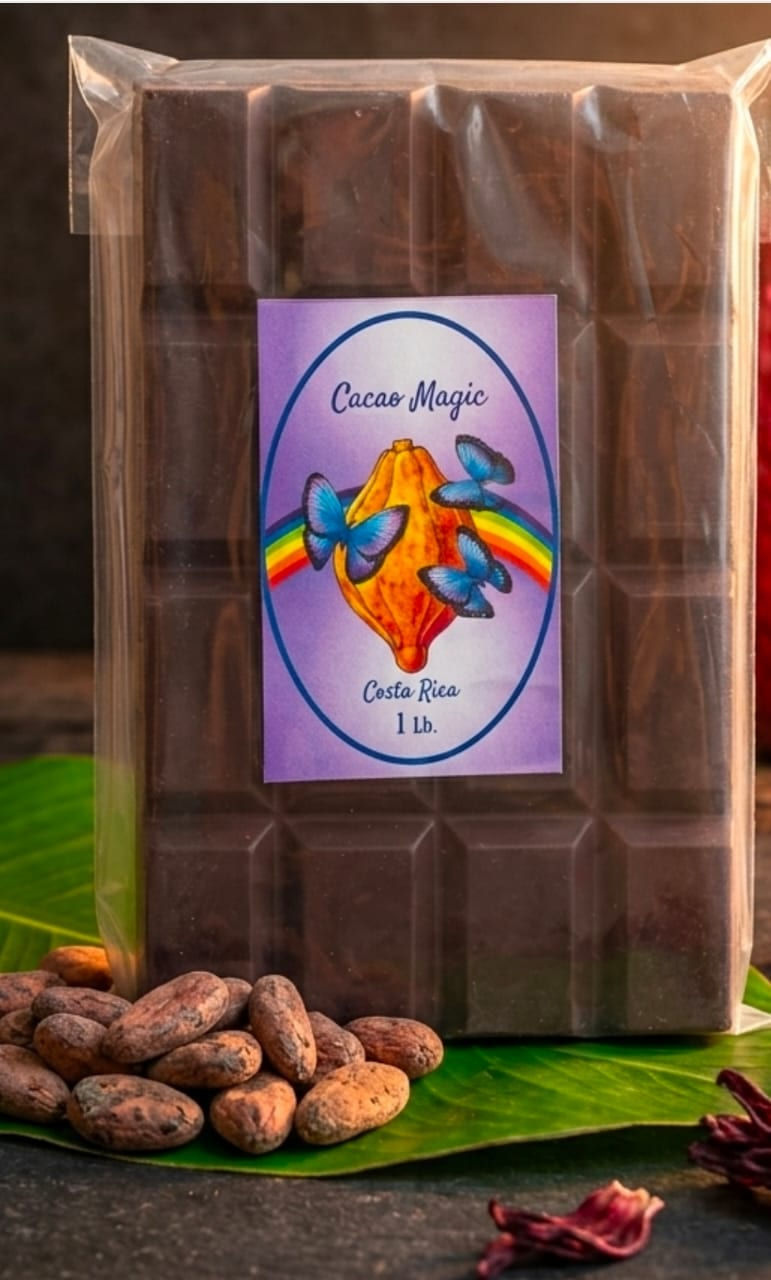
The cacao travels to our own small factory in Tinamastes, in the mountains of the South Pacific. From there the ceremonial blocks go out into the world, and from there we make everything else by hand in small batches — the bars, the chocobananos, the powder, the butter.
Then it is a package, and a kitchen, and a kettle. Someone chops off a piece, melts it into hot water, and drinks it. Sometimes alone in the morning. Sometimes in a circle of thirty people.
Ten years after a drive home with cacao bars and surprise chocolate, we pass along the same essence of Enhancement care and love to each other with rhe blessing of raw cacao.


Comments